The Do’s and Don’ts of Framing Your Artwork
When preparing work for exhibition, artists often focus (rightly so) on the artwork itself, the composition, concept, technique. But there’s one element that’s frequently overlooked, and it can make or break how your work is received… Framing!!!
We see it so often, beautiful, thoughtful artwork let down by rushed or unsuitable framing choices. The truth is, framing isn’t just protection, it’s the first impression your work makes before anyone even begins to interpret it.
If you’re submitting to our Open Call, here are some essential do’s and don’ts to help your work land the way it deserves to.
✅ DO: Keep it simple and intentional
❌ DON’T: Overpower the artwork
A frame should support your artwork, not compete with it.
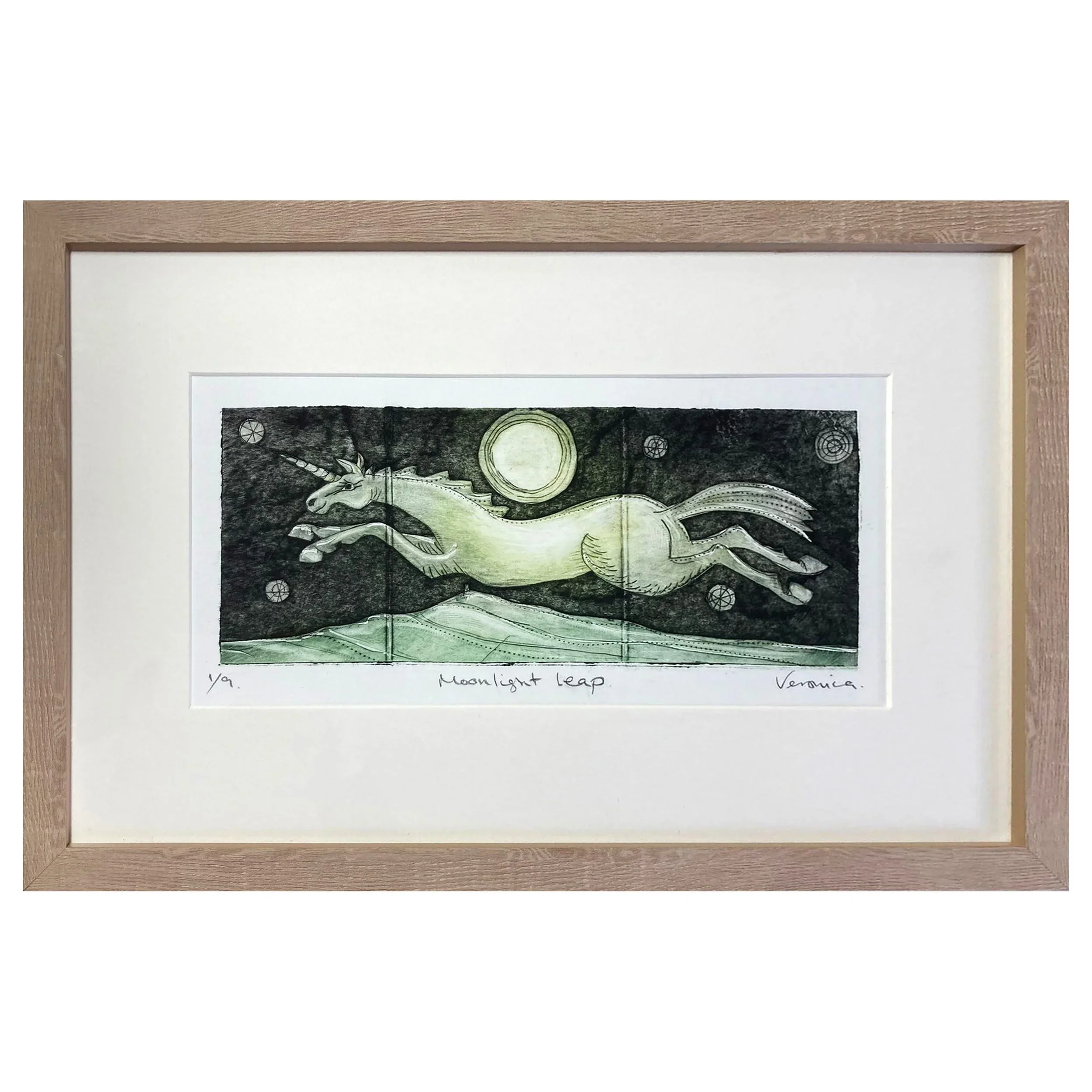
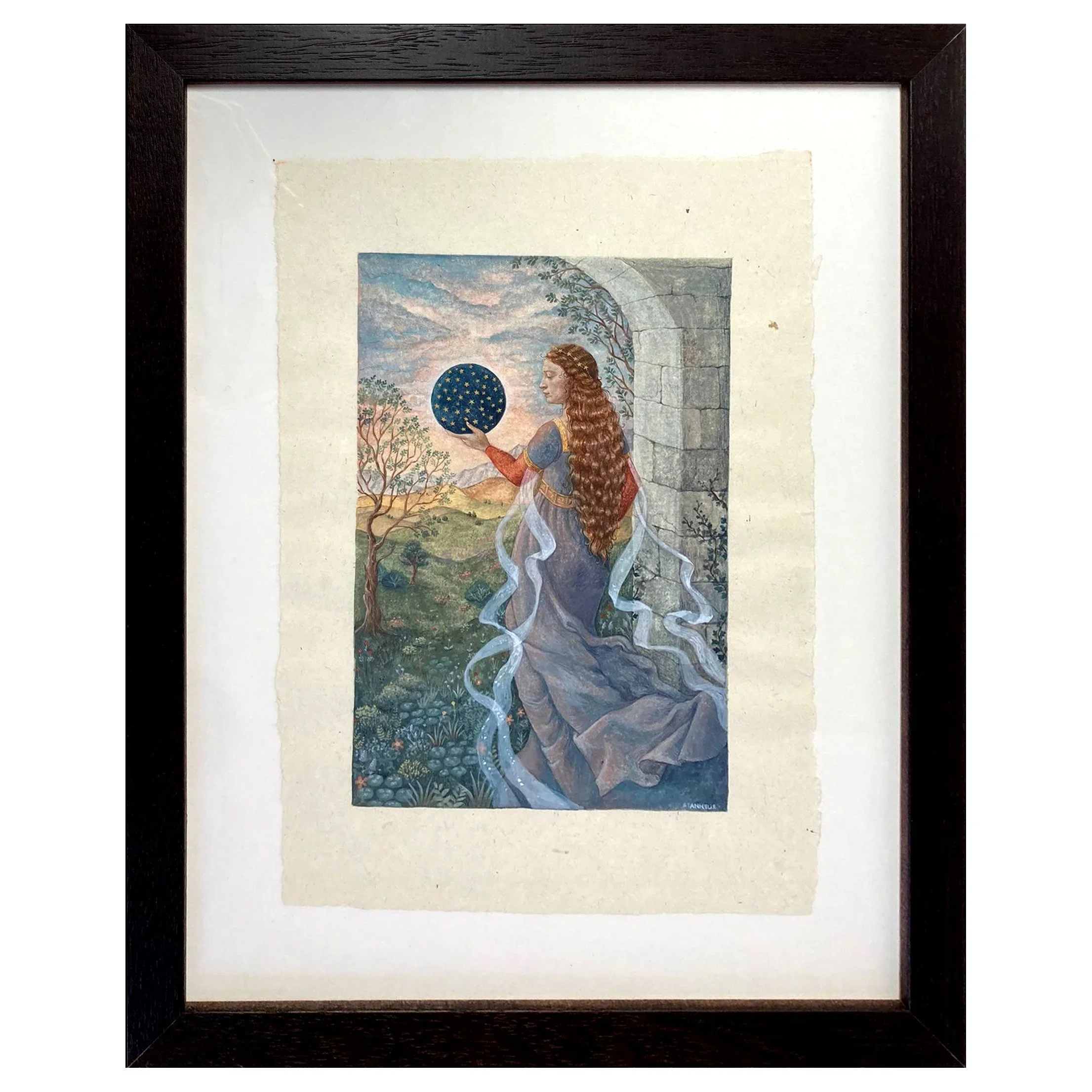
Neutral tones (natural wood, white, black) tend to work best in a gallery setting. They allow the artwork to remain the focal point while still giving it a finished, professional presence.
Ask yourself: Is this frame elevating the work, or distracting from it?
Highly ornate, glossy, brightly coloured, or heavily textured frames can easily dominate the piece inside them.
Unless the frame is conceptually part of the artwork (and done with intention), overly decorative choices often dilute the impact of the work.
If the first thing people notice is the frame and not the artwork, that’s a problem.
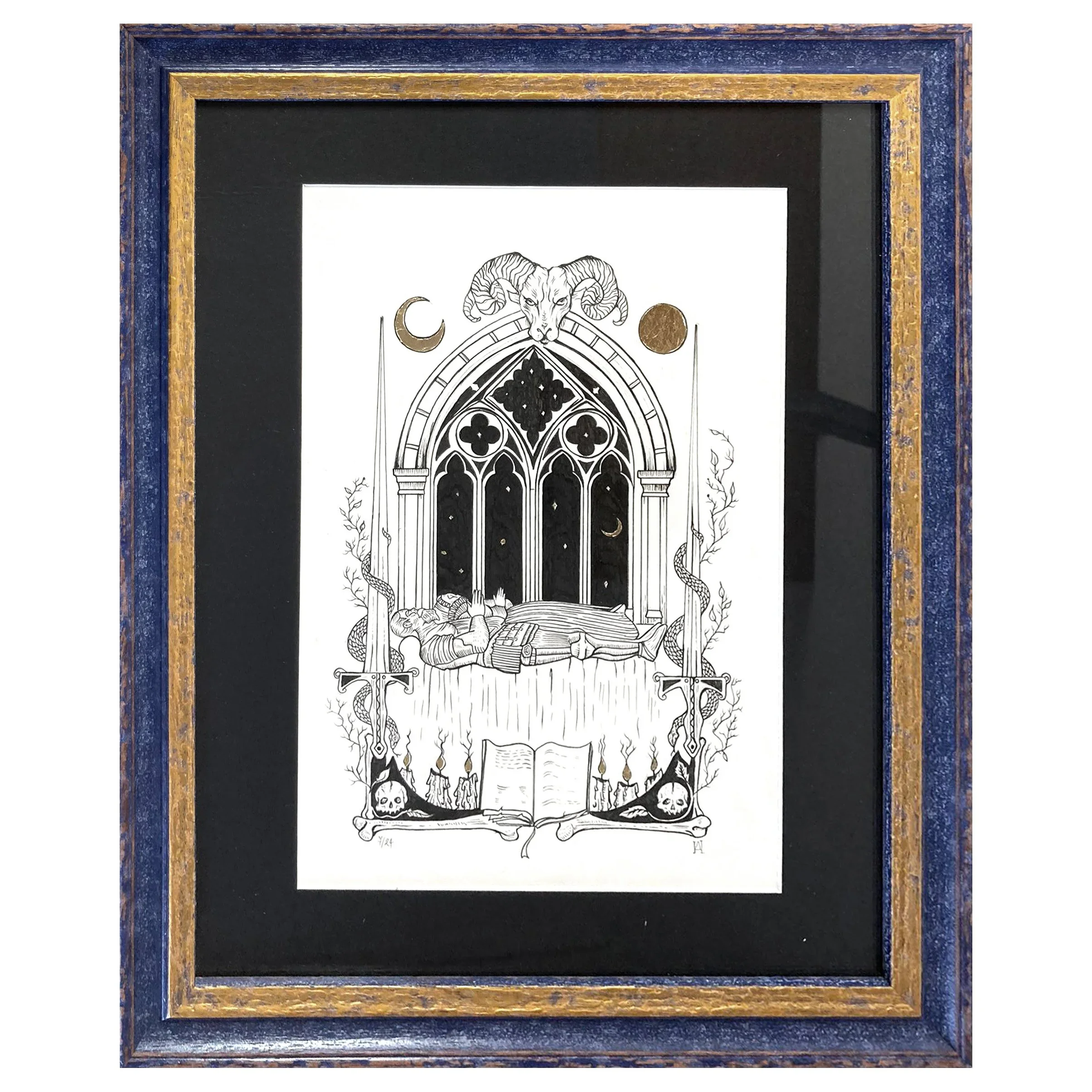
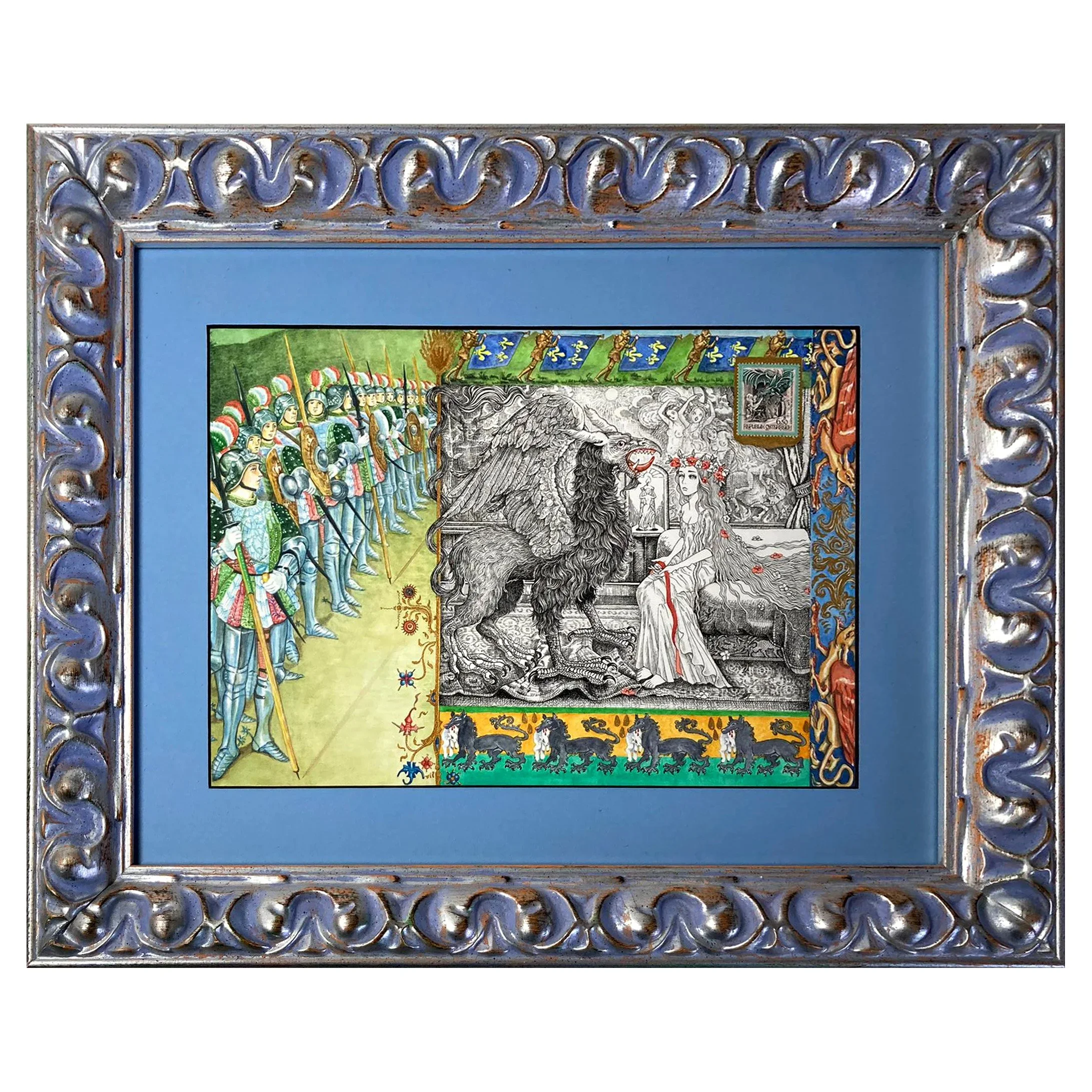
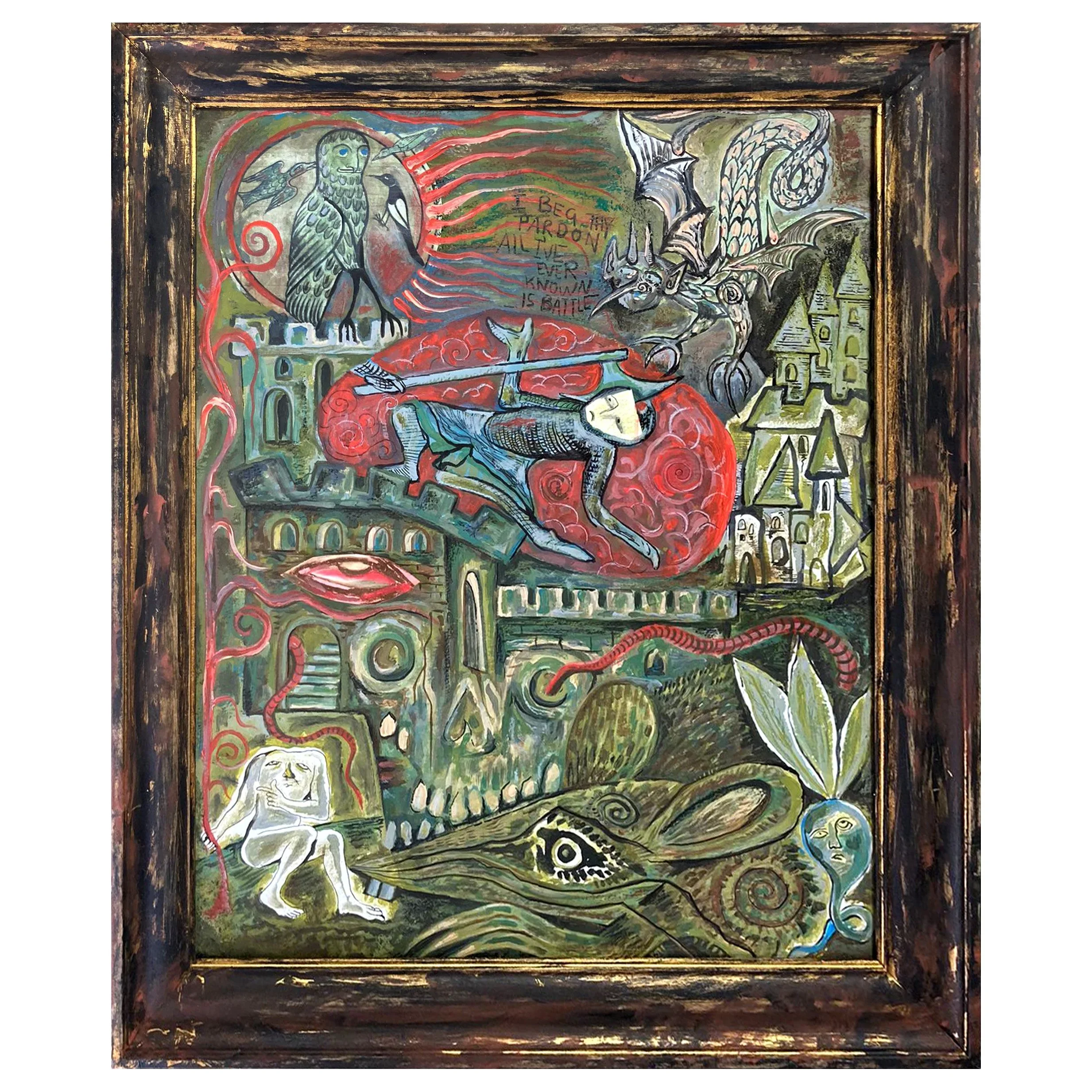
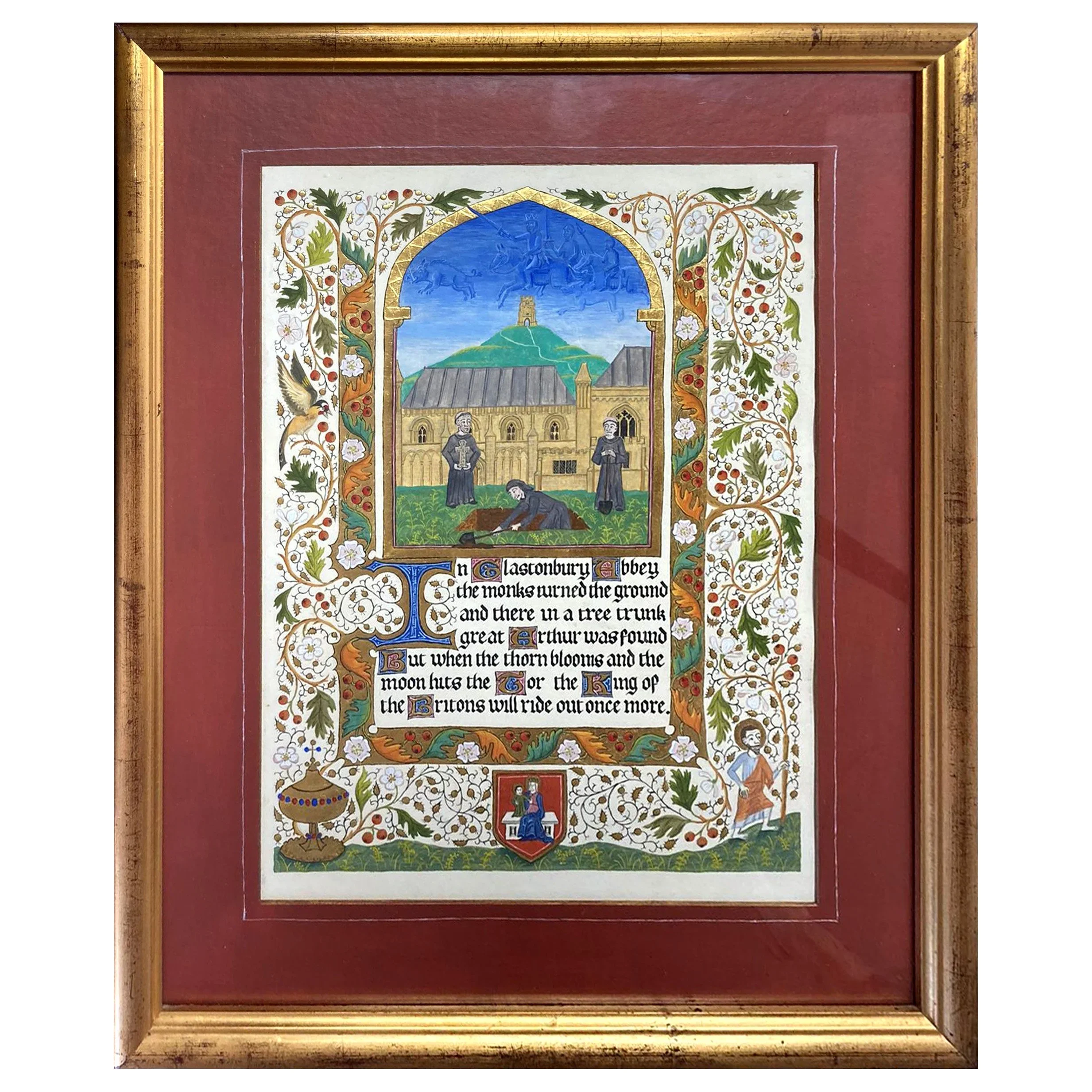
Some great examples where the frame is ornate, but it enhances the artwork:
✅ DO: Use proper mounting and spacing
❌ DON’T: Clip, tape, or cram your work in
For works on paper especially, a mount creates breathing room and helps guide the viewer’s eye. These small details make a huge difference.
Use acid-free mounts where possible
Ensure even borders
Give the work space to sit comfortably within the frame
These details might seem minor, but they signal carelessness and that can affect how the work is perceived. We don’t want to see:
Visible tape
Crooked mounting
Pieces that look squeezed into frames that are too small
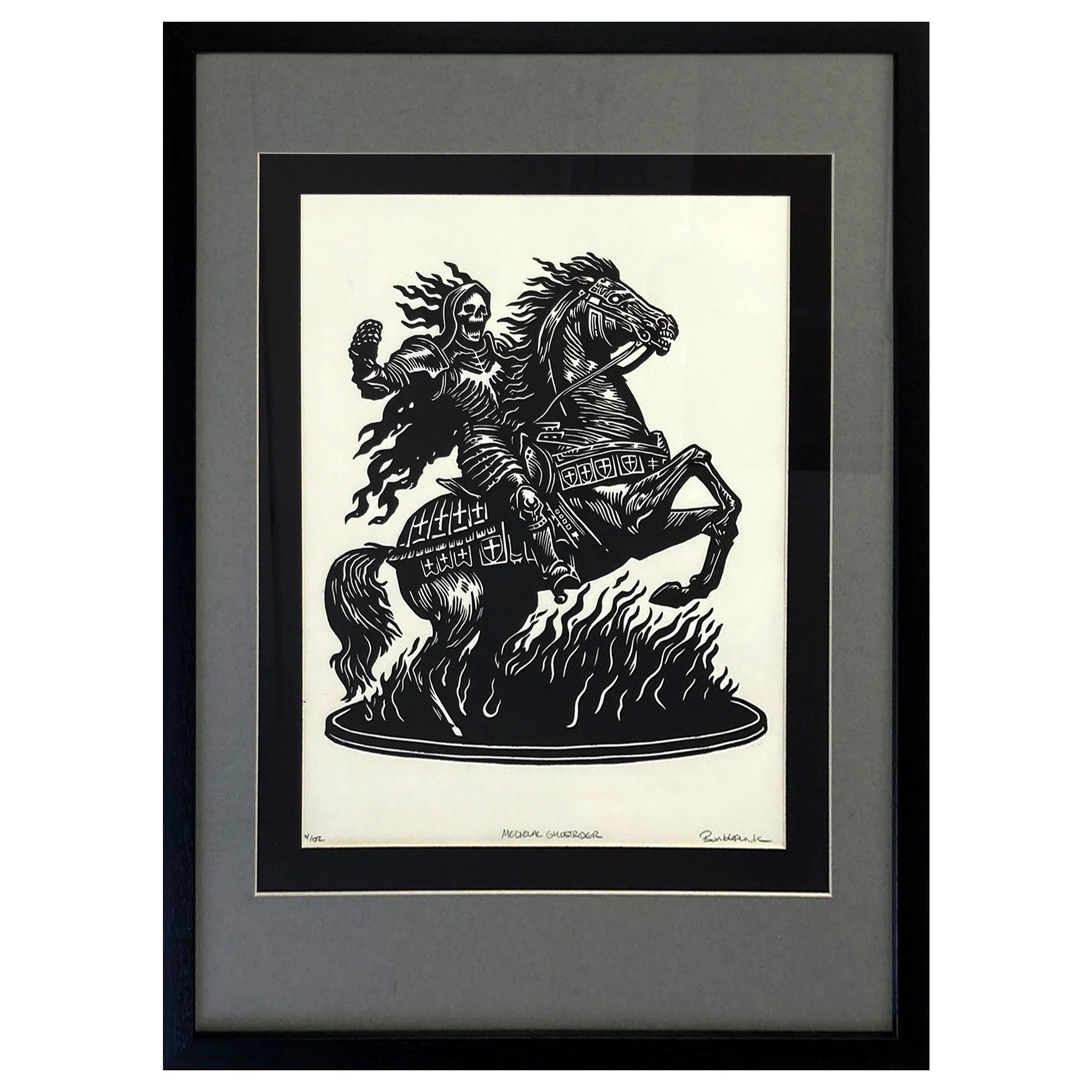
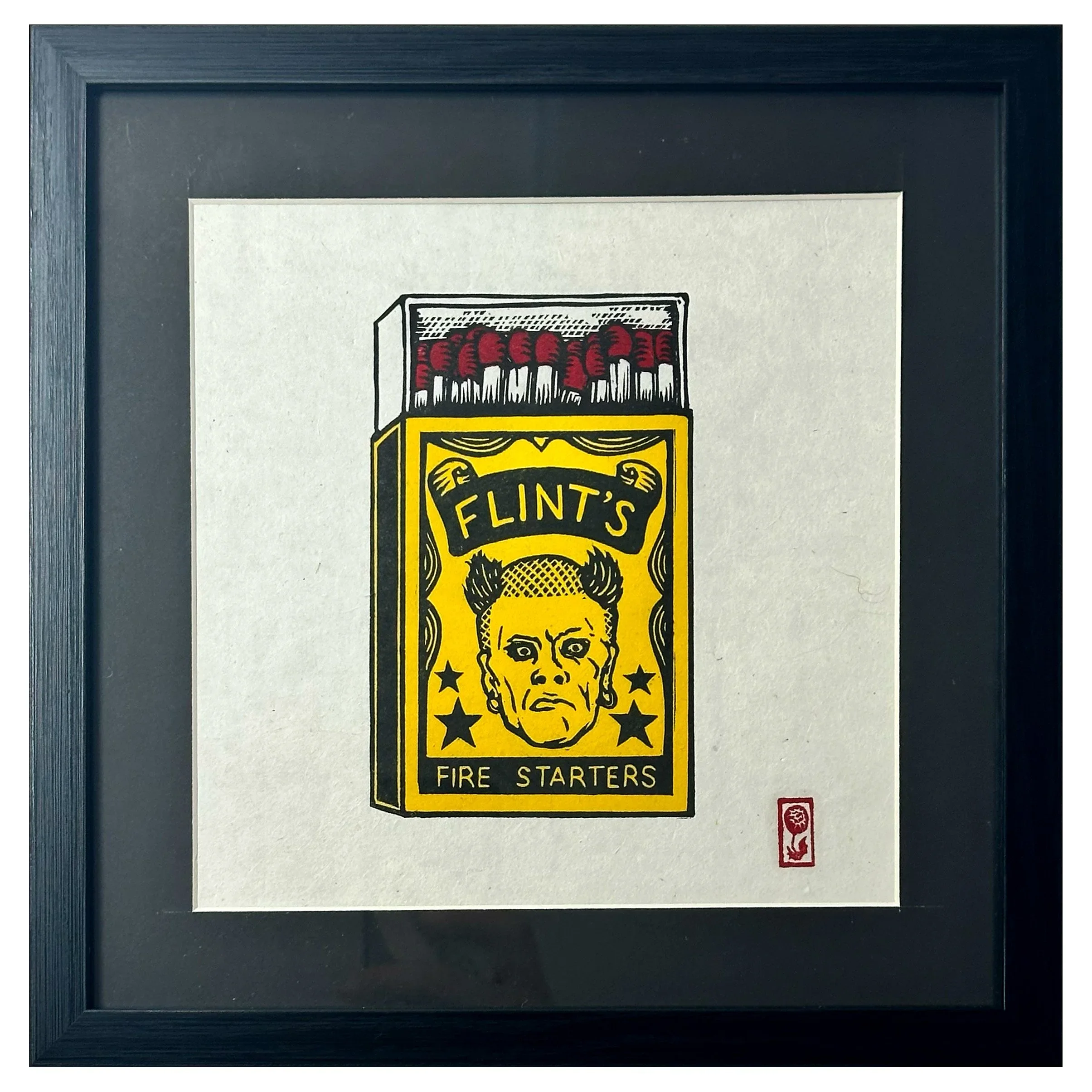
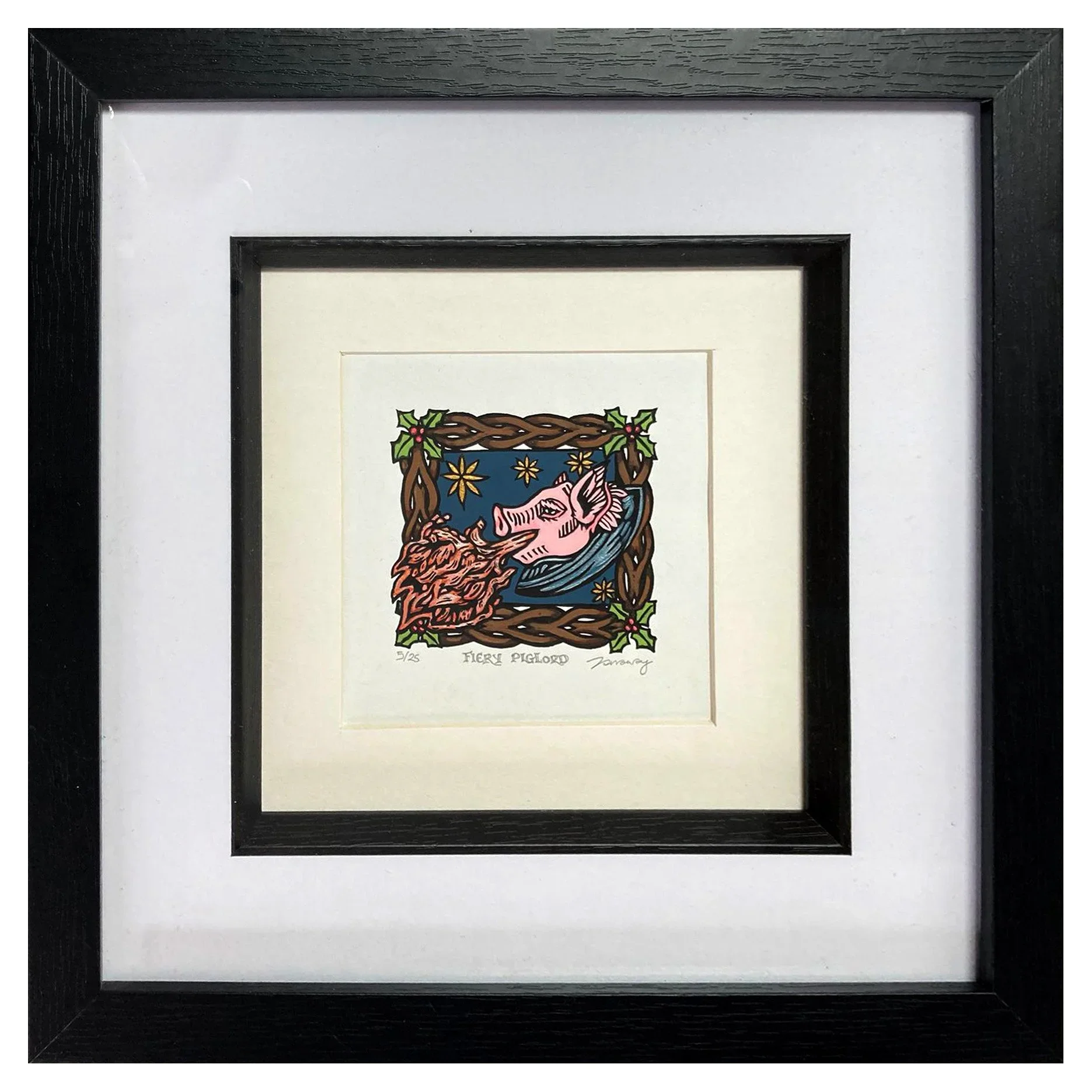
Some examples where framing has been properly considered:

✅ DO: Make sure it’s clean and exhibition-ready
❌ DON’T: Use damaged or low-quality frames
Before submitting:
Clean the glass (no fingerprints or dust)
Check for marks, scratches, or damage
Ensure the frame is okay
Make sure hanging fixtures are secure and correctly attached
Thin, flimsy frames, chipped edges, or warped structures can cheapen even the strongest work.
If your frame looks like it’s been reused many times (and not in an intentional, aesthetic way), it’s worth reconsidering.
Please do not frame work in IKEA frames, we can tell, so can our customers! We would rather frame work ourselves than receive it in IKEA frames. Please take note of this.
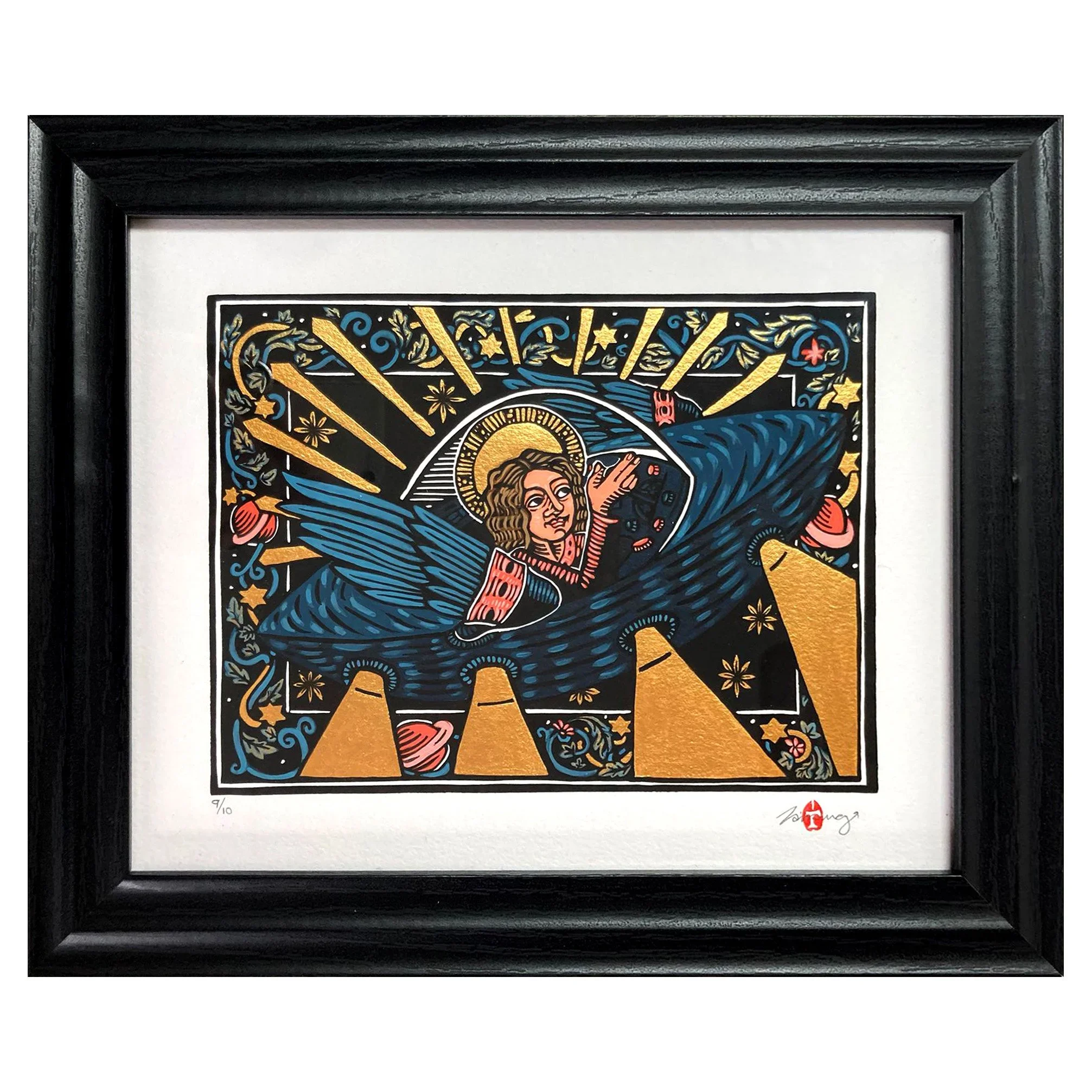
Some examples of great neutral frames:

Don’t treat framing as an afterthought, framing is part of the artwork’s final form, especially in a gallery context.
A well-framed artwork tells us: This piece is ready. It’s been cared for. It matters.
And that’s exactly the impression you want to make after the hard work you’ve put in.
If you have any questions for us, comment below or email us at: gallery@heartofthetribe.com